
这个男人来自地球
卓荣泰要韩国瑜学好“法律”,翁晓玲反呛:不知道他的念到哪里去_我的网站

一 | AI摘要 韩国瑜与卓荣泰隔空交锋,翁晓玲力挺韩并反呛卓。
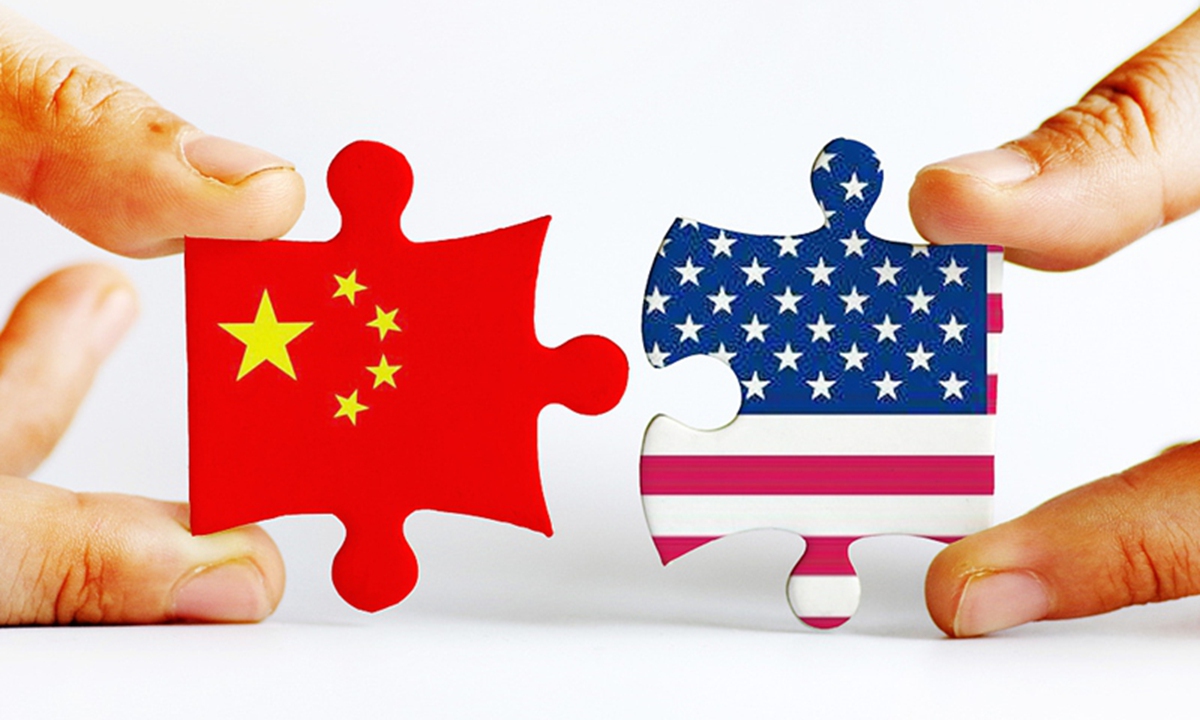
The proposed Office of Management and Budget (OMB) rule, set to take effect in December, would mark one of the biggest overhauls of US science funding in decades, giving political appointees greater authority over grant awards previously guided by scientific peer review and requiring that they "advance the President's policy priorities," according to the Washington Post.
It would also effectively expand the 2011 Wolf Amendment, which bars scientists from using NASA funding for bilateral collaborations with China, to all federal agencies and scientists receiving federal funds, marking the largest break in US-China scientific engagement in decades, the US media outlet reported.
So far, the proposed rule has garnered nearly half a million public comments, many from scientists and leading US science bodies. A Washington Post analysis of 50,000 of those comments found that around 88 percent were negative.
The rule, initially set to take effect in October, was pushed back to December after a bipartisan stopgap funding bill temporarily halted its adoption. Unlike the Wolf Amendment, the rule does not require congressional approval to take effect.
"I do think there are still members of Congress who think we have a monopoly on knowledge. They think we're still in the Cold War Soviet era ... where we were ahead in most areas of science and technology. That is not the case with China. We are no longer the leader in many areas of science," said Tobin Smith, senior vice president for government relations and public policy at the Association for American Universities, which advocates on behalf of leading US research universities, per the Washington Post.
Scientists warn that the rule risks subjecting long-term scientific research to four-year political cycles. "We will not succeed if with every new administration we are ping-ponging back and forth about priorities," the American Association for the Advancement of Science said in a blistering comment, urging the administration to withdraw the rule. "Fast-tracking such profound changes ... hands an easy victory to nations like China," it said, the Washington Post reported.
This reflects a fundamental divide between the US government and the scientific community over how science should develop, Wang Yiwei, a professor at Renmin University of China's School of International Studies, told the Global Times. He noted that politicians tend to believe that suppressing China as a competitor would allow the US to preserve its market dominance and technological edge.
Scientists, however, tend to follow a different logic, as scientific progress depends on openness, exchanges and collaboration. If science and technology are driven solely by competition and private capital, with the ultimate goal of maintaining technological monopolies, this could create greater risks and ultimately undermine US interests as well, Wang said.
The proposed rule change is the latest salvo in a broader battle in Washington over how to respond to China's rise as a scientific superpower. In July, the US National Science Foundation (NSF) also moved to ban collaborations between scientist it funds and many Chinese research institutions and their employees, according to Science magazine.
Liu Shaoshan, director of the Center for Embodied AI at the Shenzhen Institute of Artificial Intelligence and Robotics for Society and a former US-based researcher, told the Global Times in a previous interview that the NSF's new proposed rules created a "talent wall," arguing that restrictions based on nationality, institutional affiliation, and research partnerships could reduce the global talent pool available to the US, weaken its ability to attract leading scientists, and slow scientific innovation.
Liu also said scientific advancement relies not only on discovery but also on the exchange, validation, and dissemination of knowledge.
Wang also said China has built significant strengths through its vast pool of scientists and engineers, complete industrial chains and massive application scenarios, while increasingly moving from application-oriented innovation toward original research. Against this backdrop, US technological blockades and restrictions on cooperation are unlikely to halt China's progress, but could instead isolate American scientists from China's latest research and collaboration opportunities. Such an approach could also prevent the two countries from leveraging their respective strengths and ultimately undermine US competitiveness, Wang said.
。她批卓违法违宪、不懂法律,直言其不适格适任,强调副署制度旨在制衡而非对付立法权。 台民意机构负责人韩国瑜与台行政机构负责人卓荣泰18日晚隔空交锋,韩国瑜直指,“执政权”再大也大不过台湾地区现行宪制性规定,卓荣泰则反批韩国瑜应读好台湾地区现行宪制性规定及“预算法”。国民党民代翁晓玲19日受访力挺韩国瑜,反呛卓荣泰“不知道他念到哪里去了”。

二 | 翁晓玲并直言,卓荣泰早已不是一名适格、适任的行政机构负责人。 翁晓玲表示,她非常支持韩国瑜的做法,自己也一再强调,面对“行政权”扩张,以及台湾地区领导人赖清德、卓荣泰“违法”、违反宪制性规定的行为,台民意机构应该采取严正立场。韩国瑜发文警告并要求卓荣泰,必须依照台湾地区现行宪制性规定的义务完成副署,立场相当清楚。

三 | 翁晓玲指出,卓荣泰具有法律背景,但她不知道卓荣泰的法律究竟“学到哪里去了”。任何具有基本法律常识及素养的人,都应知道遵守法律、遵守台湾地区现行宪制性规定是台湾人的义务。何况卓荣泰身为台行政机构负责人,竟连这项基本知识都没有。 翁晓玲强调,台湾地区现行宪制性规定的副署制度,是用来监督、制衡台湾地区领导人,而不是拿来对付“立法权”。

四 | 卓荣泰可能担任数十年政治人物后,早已将这些抛诸脑后,否则怎会动不动就宣称台民意机构“三读”通过的“法律”是违反宪制性规定。 “违反宪制性规定在哪里?是他说了算吗?”翁晓玲痛批,她早已不齿卓荣泰的行为,在她看来,卓早就不是一名适格、适任的行政机构负责人。
Current article:http://f8b.bianneixuanbingqinyouxie.buzz/list_df1/oy2ra9d.html
Published on:13:13:22
我的网站相关内容
 曝Anthropic招股书把美国公众对AI的抵制情绪列为风险因素
 福建南安:两岸共谒民族英雄郑成功
 Finnish PM Takes Drug Test as VIDEO Shows Her 'Visibly Drunk & Dancing Intimately With Stranger'
 仅为显示Bug:初代AirPods Pro移除自适应通透模式
 浙江湖州加强生态环境保护修复 逐绿前行 因绿而兴
 普华永道:2026年上半年中国并购市场强势回暖,量价齐升突破近三年高位
- ·万物云宋澜涛谈城市更新:既要做好硬件改造 也要建立运营和维护机制
- ·贝佐斯宣布离婚,她与女主播的暧昧关系暴露出来。
- ·阿根廷跟队:曼城新报价在1.3亿到1.4亿镑,若转会恩佐将大幅涨薪
- ·India logs 1,946 new Covid cases
- ·धनु से मीन Aaj Ka Rashifal 28 अगस्त 2025: इस राशि को फ्यूचर की प्लानिंग से मिलेगा फायदा, नए विचार पर करें चर्चा
- ·当养猪遇上大模型:一个传统产业的智变之路
- ·Meshy 完成近 4 亿美元 B 轮,AI 3D 为什么能长出一家百亿公司
- ·二代接班,为什么这么难?
我的网站最新内容
- ·Ahan Shetty Shines in Powerful New Poster of Border 2
- ·人参泡酒15年后竟“复活” 男子又惊又喜
- ·Hema Malini pens heartbreaking tribute to Dharmendra on his 90th birth anniversary
- ·2026 World Robot Conference opens in Beijing(1/4)
- ·政声直达|衡水湖观鸟成为京津冀暑期游的热门选择
- ·Himachal Disaster: 310 पहुंचा मौत का आंकड़ा, बाढ़ और भूस्खलन से तीन हजार करोड़ का नुकसान; 600 से ज्यादा सड़कें बंद
- ·APEC authors seek to bring Guangdong’s live stories to the world
- ·果不出中方所料,高市被批惨了,日本不反思,反手关闭大连办事处,卞穆川,原创 果不出中方所料,高市被批惨了,日本不反思,反手关闭大连办事处
- ·阿里巴巴港股上市以来首次启动新股配售!总金额800亿港元,所得款项净额将100%用于投资全栈AI能力
- ·恒指早盘震荡走高 CXO概念股领跌 药明生物跌超18% 蔚来一度暴涨21%_涨超_汽车
- ·售53.66万元起 长城G系列混动重卡G1050正式上市
- ·受苹果iPhone需求的影响,富士康2018年12月的收入同比下降8%。
- ·两部门针对西藏吉隆泥石流灾害启动国家二级救灾应急响应
- ·刷怪打宝效率暴涨!《无忧》体验全面优化,升级刷材两不误!
- ·奥克兰或将出现壮观的南极光!这在新西兰是非常非常罕见的现象
- ·大年初一,灵珠山中心幼儿园给您拜年啦!
我的网站热点内容
- ·HPV疫苗必须接种吗?为何年龄划定在13周岁?官方解答→
- ·吴柳芳一人撑起整个家:母亲患癌症+弟弟小10岁没工作 只能借贷维生
- ·全球周转最快,福州港如何做到?
- ·张小龙微信之夜:每天有1亿人教我如何制作产品
- ·“马斯克和我都非常喜爱中国”
- ·「ぽっぽぽぽ」鼠先輩、最盛期は月1200万円 自宅「7000万~8000万円」&印税も告白
- ·普京:“不抛弃自己人,是俄罗斯的强国之本”
- ·iQOO 16首批搭载高通第六代骁龙8超级至尊版:剑指安卓最强性能
- ·小雅微体验 | 农村也有“家庭医生”
- ·政声直达丨热点快评·“越取越多”的水 见证一座城的善意接力
- ·《Avengers: Doomsday》主演塞巴斯蒂安·斯坦称对电影剧情“一无所知”
- ·工信部:将有序推动电信领域扩大自主开放,推动形成具有广泛共识的数字治理规则和标准
- ·इंडोनेशिया में दो पुरुषों को सरेआम मारे गए 80 कोड़े, दोनों पर एक दूसरे से गले मिलने और चुंबन का लगा आरोप
- ·毛利国王召集的全国大会明天将举行,总理确认不会参加
- ·PM SVANidhi योजना 2030 तक बढ़ी, बदलेगी लाखों रेहड़ी-पटरी वालों की किस्मत; जानें पीएम मोदी ने किए क्या-क्या एलान?
- ·贝弗利:克莱-汤普森的加盟将让热火脱胎换骨